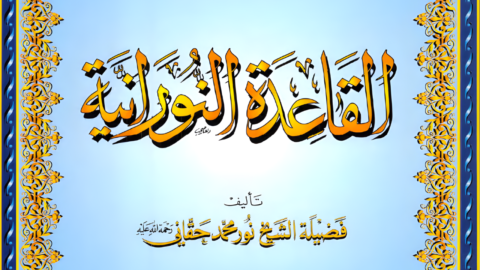
Qaida Noorania Lesson 6 | Practice Harakat & Tanween in Quran
Welcome to Qaida Noorania Lesson 6, the essential practice lesson from Rasool Academy.
In this chapter, you will combine everything you’ve learned so far — Harakat (Fatha, Kasra, Damma) and Tanween (ً ٍ ٌ) — to practice real Arabic reading like in the Quran.
This lesson transforms theoretical learning into fluent reading. You’ll practice joining short vowels and Tanween together in meaningful examples that strengthen pronunciation, rhythm, and Tajweed.
If you’ve completed Lessons 4 and 5, you’re ready for this powerful step — where fluency begins.
Watch Full Qaida Noorania Lesson 6
Before reading below, watch and repeat the examples at least three times.
- Listen carefully to each Harakah and Tanween.
- Repeat after the teacher slowly.
- Focus on rhythm, not speed — clarity is the goal.
Listening + repeating = perfect Quran reading foundation.
Lesson Overview
Topic: Practice Harakat & Tanween
Lesson Number: 6
Book: Qaida Noorania (Arabic Course – Version 01)
Level: Beginner
Goal: Build fluency by reading and joining Arabic letters with Harakat and Tanween.

By completing this lesson, you will be able to:
- Recognize all Harakat and Tanween marks quickly.
- Read Arabic syllables and words smoothly.
- Apply Tajweed rules naturally in short verses.
- Improve confidence while reading the Quran.
Quick Review Before Practice
Before starting, recall the basics from previous lessons:
| Harakah | Symbol | Sound | Example |
|---|---|---|---|
| Fatha | َ | a | بَ = ba |
| Kasra | ِ | i | بِ = bi |
| Damma | ُ | u | بُ = bu |
| Fathatain | ً | an | كِتَابًا = Kitaaban |
| Kasratain | ٍ | in | كِتَابٍ = Kitaabin |
| Dammatain | ٌ | un | كِتَابٌ = Kitaabun |
Once you recall these, you are ready for practical reading.
Step-by-Step Practice: Harakat
Let’s start with single vowels.
| Arabic Word | Pronunciation | Meaning |
|---|---|---|
| بَسَمَ | Basama | He smiled |
| نَصَرَ | Nasara | He helped |
| كَتَبَ | Kataba | He wrote |
| عَلِمَ | Alima | He knew |
| حَمِدَ | Hamida | He praised |
Now read the same words with different vowels:
| Arabic Word | Pronunciation | Note |
|---|---|---|
| بَ | ba | Fatha (a) |
| بِ | bi | Kasra (i) |
| بُ | bu | Damma (u) |
Practice these in cycles — this repetition trains your mouth and tongue for fluency.
Step-by-Step Practice: Tanween
Now move to double vowels (Tanween):
| Arabic Word | With Tanween | Pronunciation |
|---|---|---|
| كِتَابًا | Kitaaban | with Fathatain |
| كِتَابٍ | Kitaabin | with Kasratain |
| كِتَابٌ | Kitaabun | with Dammatain |
Observe how Tanween adds a nasal sound “n” (noon) at the end.
This natural nasal flow is essential for Tajweed.
Practice: Harakat and Tanween Combined
Now you’ll see how Harakat and Tanween appear together in Quranic-style phrases.
| Example | Transliteration | Explanation |
|---|---|---|
| كَتَبَ كِتَابًا | Kataba Kitaaban | He wrote a book |
| نَصَرَ رَجُلًا | Nasara Rajulan | He helped a man |
| عَلِمَ مُسْلِمٌ | ʿAlima Muslimun | A Muslim knew |
| حَمِدَ اللَّهَ | Hamida Allah | He praised Allah |
| قَرَأَ كِتَابًا | Qara’a Kitaaban | He read a book |
These combinations are the first step toward reading real Quranic verses.
Practical Tajweed Tips
- Read every Harakah clearly — short, not stretched.
- When Tanween comes at the end, add a soft nasal “n” sound.
- Don’t rush — every letter deserves its right (حق الحرف).
- Move your tongue and lips correctly; use a mirror if needed.
- Keep your tone gentle and rhythmic.
Tajweed is not speed — it is clarity and respect for each letter.
Common Mistakes to Avoid
| Mistake | Reason | Solution |
|---|---|---|
| Mixing Fatha with Kasra | Weak focus | Practice slowly letter by letter |
| Skipping Tanween “n” sound | Ignoring nasal flow | Add light ghunna (nasal sound) |
| Overstretching vowels | Confusing with Madd | Keep Harakat short (one beat) |
| Forgetting right-to-left reading | English habit | Always start from the right |
| Mispronouncing Damma | Tight lips | Round lips naturally when saying “u” |
Mini Practice Routine (Daily 10 Minutes)
- Read each Harakah set (ba, bi, bu) for 3 minutes.
- Read Tanween sets (ban, bin, bun) for 3 minutes.
- Combine both for 4 minutes with small words.
- Revise last 2 lessons before sleeping.
Within one week, you’ll feel clear improvement in fluency and pronunciation.
Connection to Quranic Verses
Let’s explore a few examples from the Quran that include both Harakat and Tanween.
| Arabic excerpt | Brief meaning | Quran reference |
|---|---|---|
| عَلِيمٌ حَكِيمٌ | All-Knowing, All-Wise | 4:26 |
| كِتَابٍ مُبِينٍ | a clear record | 27:75 |
| رَحْمَةٍ مِّنَ اللَّهِ | mercy from Allah | 3:159 |
| نَارٌ حَامِيَةٌ | a fiercely hot fire | 101:11 |
| سَمِيعًا بَصِيرًا | All-Hearing, All-Seeing | 4:58 |
By recognizing Harakat and Tanween here, you can read Quranic words more confidently.
Next Lesson – Long Vowels
Qaida Noorania Lesson 7 – Long Vowels: practise long vowels and natural Madd. Sukoon is introduced separately in Lesson 10.
More Lessons from Rasool Academy
- Qaida Noorania Lesson 1: Learn Arabic Alphabet (Alif Baa Taa)
- Qaida Noorania Lesson 2: Learn Arabic Joint Letters
- Qaida Noorania Lesson 3: Huroof e Muqattaat in Quran
- Qaida Noorania Lesson 4: Harakaat – Fatha, Kasra, Damma
- Qaida Noorania Lesson 5: Tanween – Double Fatha, Kasra & Damma
- Qaida Noorania Lesson 6: Harakaat & Tanween Practice
- Qaida Noorania Lesson 7: Alif Madd, Ya Madd & Waw Madd
- Qaida Noorania Lesson 8: Huroof al Madd & Huroof al Leen
- Qaida Noorania Lesson 9: Practice Tanween, Madd & Leen Letters
- Qaida Noorania Lesson 10: Sukoon Practice in Arabic
- Qaida Noorania Lesson 11: Sukoon in Quranic Words
- Qaida Noorania Lesson 12: Learn Shaddah (Tashdeed)
- Qaida Noorania Lesson 13: Shaddah in Quran – Complete Practice
- Qaida Noorania Lesson 14: Shaddah & Sukoon Combined Practice
- Qaida Noorania Lesson 15: Double Shaddah in One Word
- Qaida Noorania Lesson 16: Shaddah + Sukoon with Madd Letters
- Qaida Noorania Lesson 17: Final Exercises on All Previous Lessons

FAQ Section
Q1: Why is Lesson 6 important?
Because it helps you combine Harakat and Tanween, developing fluency and readiness for Quran recitation.
Q2: How often should I practice this lesson?
At least 10 minutes daily for one week before moving to Lesson 7.
Q3: What is the best way to practice?
Listen to the teacher, repeat aloud, and record yourself to check pronunciation.
Q4: Do I need to memorize examples?
Not necessary — focus on clear reading and correct vowel application.
Conclusion
Lesson 6 marks a major milestone in your Qaida Noorania journey.
Here, you move from individual letters to fluent word reading.
By combining Harakat and Tanween, you are preparing to read the Quran confidently, word by word, with Tajweed.
Keep practicing daily, remain patient, and your recitation will soon sound smooth and beautiful.
May Allah bless your learning and make the Quran light in your heart and tongue.
اللهم اجعل القرآن ربيع قلوبنا ونور صدورنا
O Allah, make the Quran the spring of our hearts and the light of our souls.