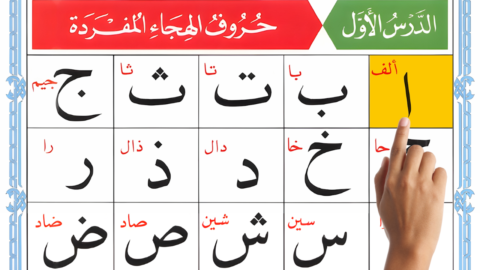
Qaida Noorania Lesson 8 | Learn Huroof al Madd & Huroof al Leen
Welcome to Qaida Noorania Lesson 8, one of the most important lessons in your Arabic and Quran learning journey at Rasool Academy.
In this lesson, you’ll explore two essential vowel categories that shape Quranic recitation:
Huroof al-Madd (حروف المد) – the long vowels, and Huroof al-Leen (حروف اللين) – the soft vowels.
Understanding and mastering these two types of letters helps you read Arabic fluently, pronounce words naturally, and apply Tajweed beautifully.
By the end of this lesson, you’ll be able to recognize, pronounce, and apply both Madd and Leen letters in real Quranic examples with accuracy and confidence.
Watch Full Qaida Noorania Lesson 8
Before continuing:
- Watch the video carefully and follow the recitation slowly.
- Observe how the teacher stretches long vowels and softens Leen letters.
- Repeat after the teacher until each sound feels natural.
Listening, observing, and repeating consistently will help you build correct pronunciation habits.
Lesson Overview
Topic: Huroof al-Madd & Huroof al-Leen – Long and Soft Vowels in Arabic
Lesson Number: 8 (Full Lesson)
Book: Qaida Noorania (Arabic Course – Version 01)
Level: Beginner to Intermediate
Objective: To pronounce and identify both Madd and Leen letters in Quranic Arabic with proper Tajweed.

You will learn:
- What Huroof al-Madd are and how to stretch them correctly.
- What Huroof al-Leen are and how to pronounce them softly.
- How Madd and Leen appear in the Quran.
- How to differentiate between long vowels and soft vowels.
Section 1: Huroof al-Madd (Long Vowels)
Definition:
Huroof al-Madd (حروف المد) are the three letters that stretch the sound of vowels for two counts.
They are called letters of prolongation because they extend the voice naturally.
| Madd Letter | Preceding Harakah | Example | Pronunciation | Meaning |
|---|---|---|---|---|
| Alif (ا) | Fatha (َ) | قَالَ | Qaa-la | He said |
| Waw (و) | Damma (ُ) | يَقُولُ | Yaqoo-lu | He says |
| Ya (ي) | Kasra (ِ) | قِيلَ | Qee-la | It was said |
Each Madd letter stretches the sound for two counts (two beats).
This natural elongation makes Quranic recitation melodious and clear.
Practice Tips:
- Never force the stretch; it should be smooth and natural.
- Do not shorten Madd letters — maintain equal timing for all.
- Practice aloud using a metronome rhythm: one-two, one-two.
Section 2: Huroof al-Leen (Soft Letters)
Definition:
Huroof al-Leen (حروف اللين) means letters of softness.
They occur when Waw (و) or Ya (ي) comes after a Fatha (َ) sound.
| Leen Letter | Pattern | Example | Pronunciation | Meaning |
|---|---|---|---|---|
| Waw after Fatha | فَوْت | Fawt | loss / passing away | |
| Ya after Fatha | بَيْت | Bayt | House |
Leen letters are pronounced softly, not stretched like Madd.
They glide smoothly without tension in the mouth.
Key Difference Between Madd and Leen:
| Feature | Huroof al-Madd | Huroof al-Leen |
|---|---|---|
| Sound Length | 2 counts (stretched) | Natural aw/ay glide in connected reading; stopping has separate rules. |
| Preceding Vowel | Matching vowel | Fatha only |
| Example | قَالَ (Qaa-la) | بَيْت (Bayt) |
| Purpose | To elongate | To soften |
Section 3: Examples from Quran
| Type | Arabic Word | Transliteration | Meaning | Reference |
|---|---|---|---|---|
| Madd | قَالُوا | Qaaloo | They said | Surah Al-Baqarah 2:11 |
| Madd | فِي | Fee | In | Surah Al-Baqarah 2:2 |
| Leen | خَوْف | Khawf | Fear | Surah Al-Baqarah 2:38 |
| Leen | بَيْنَ | Bayna | Between | Surah Al-Baqarah 2:213 |
| Madd | يَقُولُونَ | Yaqooloona | They say | Surah Al-Baqarah 2:8 |
These examples show how both types of vowels are used naturally in Quranic Arabic.
Section 4: How to Practice Huroof al-Madd & Leen
Step-by-Step Daily Routine
- Start with Huroof al-Madd examples — stretch each vowel for two counts.
- Move to Leen examples — glide softly without prolonging.
- Read words in pairs (Madd + Leen) for comparison.
- Record your voice and check rhythm and clarity.
- Repeat this practice 15 minutes daily for one week.
Example Practice Set:
| Word 1 | Word 2 | Focus |
|---|---|---|
| قَالَ | بَيْت | Stretch vs. Soft |
| فِي | خَوْف | Long vs. Short |
| نُورٌ | يَوْم | Clear vowel vs. soft glide |
Common Mistakes and Corrections
| Mistake | Cause | Solution |
|---|---|---|
| Overstretching Leen letters | Confusing with Madd | Keep Leen soft, not long |
| Ignoring small vowel marks | Not observing script | Focus on signs (Harakat + Sukoon) |
| Pronouncing Madd too short | Rushing | Count slowly: “aa”, “ee”, “oo” |
| Mixing Ya Leen with Kasra | Weak sound control | Practice mouth and tongue placement |
| Missing nasal balance | Poor breath control | Use steady airflow from diaphragm |
Section 5: Connection to Tajweed
Huroof al-Madd and Huroof al-Leen are the foundation of Madd Rules in Tajweed:
- Madd Asli (Natural Madd): The basic 2-count stretch.
- Madd Leen: when stopping after a Leen letter before a temporary Sukoon, two, four or six counts are permitted in Hafs via al-Shatibiyyah. In connected reading, keep the natural aw/ay glide.
- Madd Far’i: Extended Madd in advanced Tajweed, studied later.
Understanding these in Qaida Noorania prepares you for Quranic fluency with correct tone and timing.
Next Lesson – Practice Tanween, Madd & Leen Together
Qaida Noorania Lesson 9 – Long Vowels in Arabic (Sagheera)
In Lesson 9, you’ll practice Tanween, Huroof al-Madd, and Huroof al-Leen together using Quran-style exercises.
It will help you connect words naturally and recite short Arabic sentences smoothly.
This is where your Tajweed becomes truly fluent.
More Lessons from Rasool Academy
- Qaida Noorania Lesson 1: Learn Arabic Alphabet (Alif Baa Taa)
- Qaida Noorania Lesson 2: Learn Arabic Joint Letters
- Qaida Noorania Lesson 3: Huroof e Muqattaat in Quran
- Qaida Noorania Lesson 4: Harakaat – Fatha, Kasra, Damma
- Qaida Noorania Lesson 5: Tanween – Double Fatha, Kasra & Damma
- Qaida Noorania Lesson 6: Harakaat & Tanween Practice
- Qaida Noorania Lesson 7: Alif Madd, Ya Madd & Waw Madd
- Qaida Noorania Lesson 8: Huroof al Madd & Huroof al Leen
- Qaida Noorania Lesson 9: Practice Tanween, Madd & Leen Letters
- Qaida Noorania Lesson 10: Sukoon Practice in Arabic
- Qaida Noorania Lesson 11: Sukoon in Quranic Words
- Qaida Noorania Lesson 12: Learn Shaddah (Tashdeed)
- Qaida Noorania Lesson 13: Shaddah in Quran – Complete Practice
- Qaida Noorania Lesson 14: Shaddah & Sukoon Combined Practice
- Qaida Noorania Lesson 15: Double Shaddah in One Word
- Qaida Noorania Lesson 16: Shaddah + Sukoon with Madd Letters
- Qaida Noorania Lesson 17: Final Exercises on All Previous Lessons

FAQ Section
Q1: What is the difference between Huroof al-Madd and Huroof al-Leen?
Huroof al-Madd are stretched vowels (2 counts), while Huroof al-Leen are soft and short vowels pronounced gently.
Q2: How many letters are there in Huroof al-Madd?
Three — Alif (ا), Waw (و), and Ya (ي).
Q3: What are examples of Leen letters in Quran?
Words like بَيْت (Bayt), خَوْف (Khawf), and قَوْم (Qawm) contain Leen letters.
Q4: How can I practice correctly?
Read aloud daily, stretch Madd letters evenly, and glide softly over Leen letters.
Conclusion
Lesson 8 combines both strength and softness of Quranic recitation — the balance between Madd (prolongation) and Leen (gentle flow).
When mastered, these two vowel types make your recitation beautiful, rhythmic, and full of clarity.
Keep practicing daily. Listen, repeat, and reflect.
May Allah bless your effort and make the Quran easy and beloved to your heart.
اللهم اجعل القرآن ربيع قلوبنا ونور صدورنا
O Allah, make the Quran the spring of our hearts and the light of our souls.