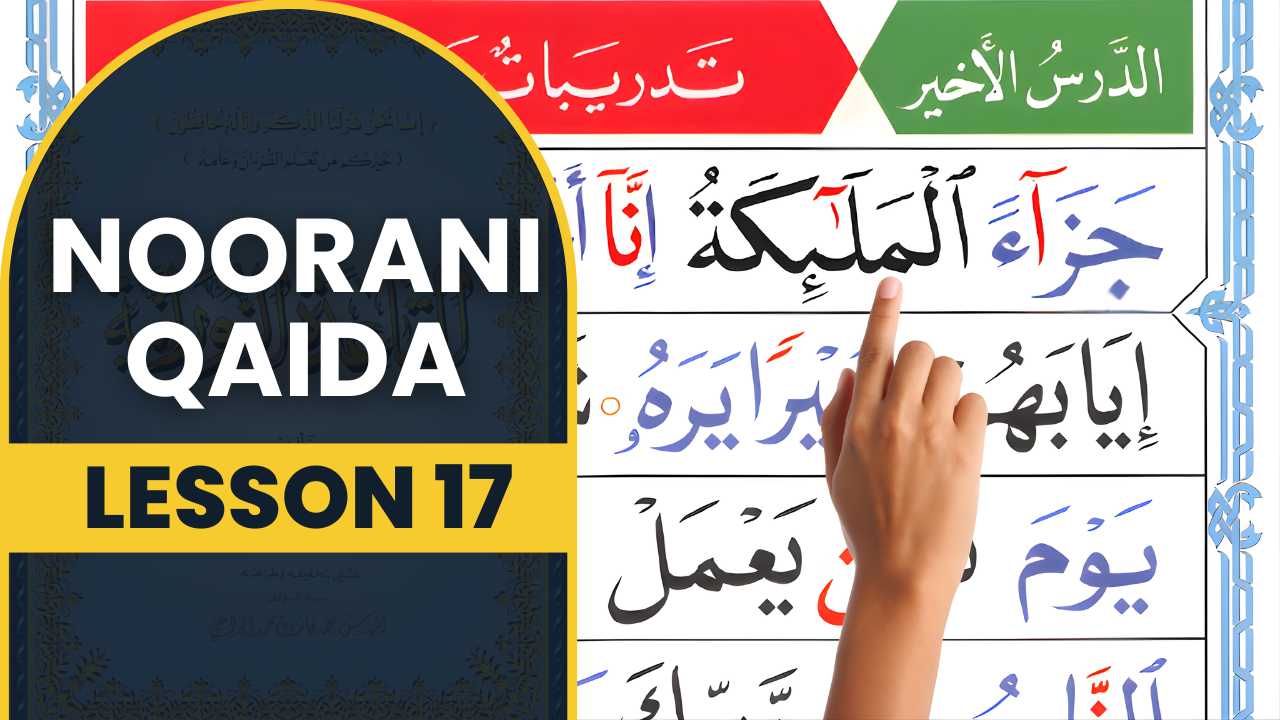
Noorani Qaida Lesson 17 | Final Tajweed Practice for Quran Reading
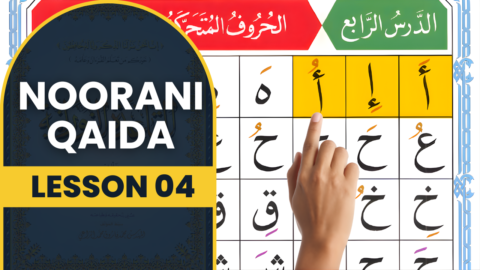
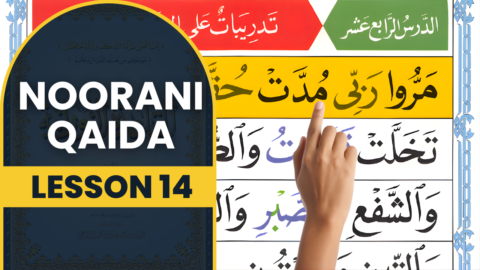
Noorani Qaida Lesson 17 is the final and comprehensive revision stage of the foundational Tajweed journey. After progressing step by step from Arabic letters in Lesson 1 to advanced combinations of Madd and Shaddah in Lesson 16, learners now bring everything together in structured Quranic reading practice.
This lesson is not about learning a new rule. It is about mastery. It tests recognition, pronunciation control, rhythm discipline, and fluency across all previously studied Tajweed elements.
For beginners and non-Arabic learners, Lesson 17 represents a milestone. Completing this stage means the student is ready to transition from structured Qaida drills to actual Quran reading with confidence.
At Rasool Academy, we guide learners through calm, systematic final practice so that all Tajweed principles work together naturally.
🎥 Watch Noorani Qaida Lesson 17 – Final Tajweed Practice
Practice slowly and apply every rule consciously.
What Is the Purpose of Lesson 17?
Lesson 17 focuses on:
- Revising all Tajweed rules learned in Lessons 1–16
- Applying multiple rules within the same passage
- Strengthening fluency and rhythm
- Eliminating hesitation
- Preparing for real Quran recitation
It is a complete integration stage.
Lesson Overview
Book: Noorani Qaida
Lesson Number: 17
Topic: Final Tajweed Practice and Comprehensive Revision
Language: English-guided Arabic
Version: 02 – for Non-Arabic Learners
Teacher: Qari Rafiqul Islam
Learning Level: Fluency Readiness Stage
Target Group: Children, adults, and new Muslims
Comprehensive Rule Review
Lesson 17 brings together the following Tajweed elements:
1️⃣ Arabic Letters and Makharij
Clear articulation from Lesson 1 ensures every consonant remains distinct.
Without strong Makharij, advanced rules lose clarity.
2️⃣ Harakat and Tanween
Short vowels and nasal endings must remain precise and controlled.
Tanween should not turn into Madd.
Harakat must remain short.
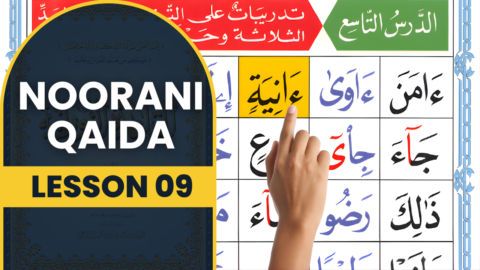
3️⃣ Madd (Long Vowels)
Madd letters must be extended for two counts in basic form.
Elongation must remain stable and not exaggerated.
4️⃣ Leen Letters
Soft glide sounds must remain gentle.
They should not be stretched like Madd.
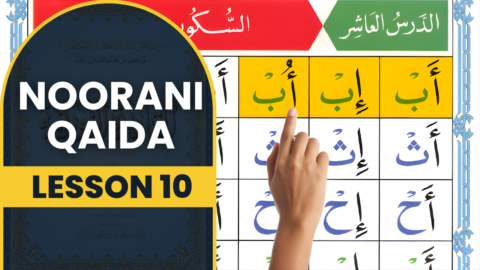
5️⃣ Sukoon
Unvowelled consonants retain their sounds; do not add a vowel or an artificial pause.
No hidden vowels should be inserted.
6️⃣ Shaddah (Tashdeed)
Doubled consonants must be articulated clearly.
The hidden Sukoon must be respected.
Integration Practice in Lesson 17
Lesson 17 includes structured passages containing:
- Madd + Shaddah
- Sukoon + Tanween
- Leen + Madd
- Multiple consonant clusters
- Combined elongation and emphasis
Students must apply all rules simultaneously.
This builds real Quran reading readiness.
Fluency Development at Final Stage
Recognition Speed
Students should instantly recognize rule types.
No hesitation between rules.
Rhythm Stability
Balanced pacing ensures:
- Madd is stretched correctly
- Shaddah is emphasized properly
- Sukoon is read without an added vowel or an artificial pause
Fluency requires consistent timing.
Breath Control
Longer reading passages demand:
- Controlled breathing
- Smooth transitions
- Steady airflow
Lesson 17 strengthens endurance.
Common Mistakes in Final Practice
❌ Forgetting earlier rules
❌ Overstretching Madd under pressure
❌ Weak Shaddah emphasis
❌ Adding hidden vowels
❌ Losing rhythm in longer words
Correction:
Slow down.
Identify each rule clearly.
Repeat structured drills.
Structured Study Plan for Lesson 17
Day 1–2: Review individual rules
Day 3–4: Practice integrated word patterns
Day 5–6: Read longer structured passages
Day 7: Full fluent reading session
Practice 20–25 minutes daily.
Consistency ensures mastery.
Signs of Readiness After Lesson 17
You are ready for Quran reading when:
- You recognize Madd automatically
- Shaddah feels natural
- Sukoon is clear
- Tanween remains controlled
- Reading flows smoothly
Confidence replaces hesitation.
Transitioning from Qaida to Quran
After completing Lesson 17:
- Begin reading short Surahs
- Maintain slow pace initially
- Apply all Tajweed consciously
- Gradually increase speed
Qaida builds foundation.
The Qur’an applies it.
Teaching Approach at Rasool Academy
We emphasize:
- Calm final revision
- Balanced repetition
- Integrated drills
- Gradual fluency building
- Encouragement and consistency
This ensures smooth transition into real Quran recitation.

Spiritual Reflection
Learning Tajweed is an act of devotion.
Every rule preserves the exact pronunciation revealed to the Prophet Muhammad ﷺ.
Lesson 17 is not just a completion of Qaida — it is the beginning of conscious Quran recitation.
Each correctly pronounced letter carries reward multiplied many times.
Mastery of Tajweed reflects love and respect for divine speech.
Continue Learning – Complete Noorani Qaida Course
Frequently Asked Questions
Is Lesson 17 a new Tajweed rule?
No. It is comprehensive revision and integration.
How long should I practice this lesson?
At least one week of consistent revision.
Am I ready to read the Qur’an after this?
Yes, if pronunciation remains clear and stable.
Should I increase speed immediately?
No. Maintain clarity before increasing pace.
What is the next step?
Begin reading short Surahs with Tajweed awareness.
Key Takeaways
- Lesson 17 integrates all Tajweed rules.
- Fluency depends on rhythm balance.
- Clear articulation remains essential.
- Slow practice ensures mastery.
- Completion prepares you for real Quran reading.
Conclusion
Noorani Qaida Lesson 17 represents the completion of foundational Tajweed training. By revising and integrating all rules — from Harakat to Madd, Sukoon, Shaddah, and beyond — learners develop the confidence and fluency needed for proper Quran recitation.
With consistent practice, structured discipline, and sincere intention, the transition from Qaida to Quran becomes smooth and rewarding.
May Allah grant ease, clarity, and immense reward in every letter recited from His Book.
Sukoon is not a pause sign
Sukoon means that a consonant has no following short vowel; it does not make the consonant silent and does not set a fixed pause or half-beat duration. Continue naturally through a word. Give each letter its own characteristics, including Qalqalah for sakin ق ط ب ج د. Choose actual pauses according to Waqf and meaning, and ask the teacher to check your recitation.