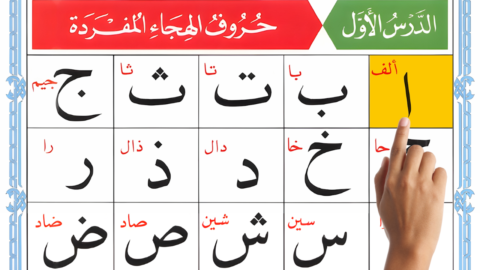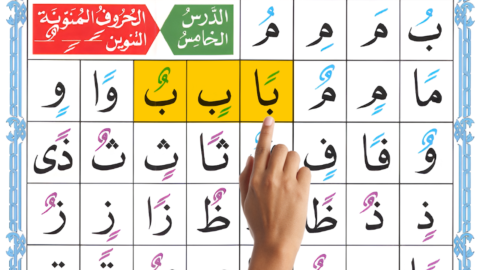
Qaida Noorania Lesson 10 | How to Read Arabic with Sukoon
Welcome to Qaida Noorania Lesson 10, where you will learn one of the most essential marks in Arabic and Quran reading — the Sukoon ( ْ ).
This lesson teaches how to read letters without vowels, how to join them smoothly, and how Sukoon changes pronunciation flow.
It’s a turning point in your Quran learning journey because Sukoon appears in almost every word of the Quran.
By understanding Sukoon, you’ll begin to read real Quranic words with fluency, rhythm, and confidence.
Watch Full Qaida Noorania Lesson 10
Before reading further:
- Watch the teacher’s examples closely.
- Listen carefully to the difference between letters with Harakat and those with Sukoon.
- Repeat each word aloud — slowly and clearly.
Sukoon is all about clarity, not speed. Practice patience; every correct stop earns reward.
Lesson Overview
Topic: Sukoon ( ْ ) – How to Read Arabic Letters Without Vowels
Lesson Number: 10
Book: Qaida Noorania (Arabic Course – Version 01)
Level: Beginner to Intermediate
Objective: To learn how Sukoon works, when it is used, and how it affects pronunciation in Tajweed.

By the end of this lesson, you will:
- Identify the Sukoon mark in Arabic.
- Read and join letters with Sukoon correctly.
- Differentiate between Harakah (moving) and Sukoon (silent) letters.
- Practice real Quranic examples with fluency.
What Is Sukoon ( ْ )?
Sukoon marks the absence of a following short vowel. The consonant is still pronounced, and the tongue or lips move as required by its articulation; Sukoon is not a pause sign.
Example:
- With Harakah → بَ (ba), بِ (bi), بُ (bu)
- With Sukoon → بْ (b)
Pronounce the consonant without adding a, i or u. Do not insert a separate pause within a word.
Harakah vs. Sukoon Comparison
| Type | Symbol | Example | Pronunciation | Description |
|---|---|---|---|---|
| Fatha | َ | بَ | ba | Short “a” sound |
| Kasra | ِ | بِ | bi | Short “i” sound |
| Damma | ُ | بُ | bu | Short “u” sound |
| Sukoon | ْ | بْ | b | No following short vowel; the consonant is still pronounced |
Sukoon marks an unvowelled consonant. Its duration follows the letter’s characteristics, not a fixed hold.
How to Pronounce Sukoon Correctly
- Do not add a short vowel or an artificial pause. Sakin Qalqalah letters retain their light rebound; other letters keep their own characteristics.
- The letter before Sukoon carries the movement (Harakah).
- The Sukoon letter joins smoothly with the next letter.
For example:
- Use يَكْتُبُ (yaktubu) for Sukoon practice: its Kāf has no vowel and connects directly to Tā. بَدَأَ (badaʾa, “he began”) has no Sukoon.
- يَكْتُبُ = Yaktubu → “k” carries Sukoon and joins with “tu.”
- قُلْ = qul: the Lām is pronounced without a following vowel; it is not omitted.
Step-by-Step Practice Words
| Word | Transliteration | Meaning |
|---|---|---|
| أَبْصَرَ | Abṣara | He saw |
| يَكْتُبُ | Yaktubu | He writes |
| تَكْسِرُ | Taksiru | She breaks |
| نَعْبُدُ | Na’budu | We worship |
| قُلْ | Qul | Say |
| اِغْفِرْ | Ighfir | Forgive |
Pronounce each unvowelled consonant without an added vowel and connect naturally. Distinguish an unvowelled letter from a real stopping point.
Common Sukoon Patterns
| Pattern | Example | Pronunciation | Description |
|---|---|---|---|
| Middle of word | يَكْتُبُ | Yaktubu | Sukoon joins next letter |
| End of word | قُلْ | Qul | Lām is pronounced without a following short vowel. |
| Before strong letters | اِغْفِرْ | Ighfir | Clear throat or tongue sound |
| With heavy letters | أَطْعَمَ | At’ama | Deep tongue sound |
| With light letters | نَعْبُدُ | Na’budu | Smooth transition |
Practice Exercises (Daily Routine)
Daily 10-Minute Routine
- Read the practice words above slowly.
- Pronounce the unvowelled consonant according to its articulation and characteristics; do not insert a pause inside the word.
- Record your recitation and listen for clarity.
- Practice alternating between Harakah and Sukoon:
- بَ – بْ, بِ – بْ, بُ – بْ
- Review with the video lesson daily for one week.
Common Mistakes and Corrections
| Mistake | Cause | Solution |
|---|---|---|
| Adding vowel after Sukoon | Habit of vowel ending | Do not add “a/i/u”; connect the consonant without an artificial pause. |
| Ignoring Sukoon letter | Skipping over it | Articulate the consonant clearly and continue without a pause. |
| Overemphasizing Sukoon | Exaggeration | Keep it short and light |
| Mispronouncing throat Sukoon (e.g., Hamza, Kha) | Weak articulation | Practice slow and deep sounds |
| Forgetting flow | Reading in isolation | Read with rhythm and connection |
Examples from the Quran
| Arabic excerpt | Brief meaning | Quran reference |
|---|---|---|
| نَعْبُدُ | we worship | 1:5 |
| قُلْ | say | 112:1 |
| وَاغْفِرْ لَنَا | and forgive us | 60:5 |
| وَلْيَكْتُبْ | and let him write | 2:282 |
| اقْرَأْ | read | 96:1 |
Reading these examples regularly will help you get familiar with how Sukoon naturally appears in Quranic recitation.
Sukoon and Tajweed Connection
Learning Sukoon is critical for understanding Tajweed rules such as:
- Ikhfa (Hiding sound)
- Idgham (Merging letters)
- Iqlab (Sound conversion)
- Izhar (Clear pronunciation)
Each of these rules depends on recognizing Sukoon letters correctly.
Mastering Sukoon now ensures strong foundation for future Tajweed lessons.
Next Lesson – Sukoon & Advanced Practice
Qaida Noorania Lesson 11 – Sukoon & Advanced Practice
In Lesson 11, you’ll go deeper into Sukoon practice with double-letter examples and Quran-style exercises.
You’ll learn how Sukoon interacts with Madd, Shaddah, and Tanween — the advanced level of fluent Quranic recitation.
More Lessons from Rasool Academy
- Qaida Noorania Lesson 1: Learn Arabic Alphabet (Alif Baa Taa)
- Qaida Noorania Lesson 2: Learn Arabic Joint Letters
- Qaida Noorania Lesson 3: Huroof e Muqattaat in Quran
- Qaida Noorania Lesson 4: Harakaat – Fatha, Kasra, Damma
- Qaida Noorania Lesson 5: Tanween – Double Fatha, Kasra & Damma
- Qaida Noorania Lesson 6: Harakaat & Tanween Practice
- Qaida Noorania Lesson 7: Alif Madd, Ya Madd & Waw Madd
- Qaida Noorania Lesson 8: Huroof al Madd & Huroof al Leen
- Qaida Noorania Lesson 9: Practice Tanween, Madd & Leen Letters
- Qaida Noorania Lesson 10: Sukoon Practice in Arabic
- Qaida Noorania Lesson 11: Sukoon in Quranic Words
- Qaida Noorania Lesson 12: Learn Shaddah (Tashdeed)
- Qaida Noorania Lesson 13: Shaddah in Quran – Complete Practice
- Qaida Noorania Lesson 14: Shaddah & Sukoon Combined Practice
- Qaida Noorania Lesson 15: Double Shaddah in One Word
- Qaida Noorania Lesson 16: Shaddah + Sukoon with Madd Letters
- Qaida Noorania Lesson 17: Final Exercises on All Previous Lessons

FAQ Section
Q1: What does Sukoon mean in Arabic reading?
It means the letter has no vowel and is pronounced in a still, resting sound.
Q2: Why is learning Sukoon important?
Because it helps you read Arabic words correctly without adding unnecessary vowels.
Q3: How can I practice Sukoon effectively?
Listen, repeat, and focus on the stop — not the sound. Read with rhythm, not speed.
Q4: Is Sukoon used in every Quranic word?
Almost! It appears in many places, especially where two letters meet or when stopping at the end of a word.
Conclusion
Lesson 10 is the bridge between beginner reading and real Quranic recitation.
Mastering Sukoon means mastering clarity, pauses, and fluency — the essence of beautiful Tajweed.
Be patient and consistent. With daily practice, you’ll start reading verses with natural flow and precision.
اللهم اجعل القرآن ربيع قلوبنا ونور صدورنا
O Allah, make the Quran the spring of our hearts and the light of our souls.
Sukoon is not a pause sign
Sukoon means that a consonant has no following short vowel; it does not make the consonant silent and does not set a fixed pause or half-beat duration. Continue naturally through a word. Give each letter its own characteristics, including Qalqalah for sakin ق ط ب ج د. Choose actual pauses according to Waqf and meaning, and ask the teacher to check your recitation.