Learn Surah Al-Ikhlas Word by Word with Tajweed | 1X Practice
Surah Al-Ikhlas is one of the most recited chapters of the Qur’an and a concise declaration of Tawheed — the Oneness of Allah. Though it consists of only four verses, it carries immense meaning and includes important Tajweed rules that must be applied carefully.
How to use this practice guide: 1X means one suggested practice round for you. Use the recording below as a pronunciation model, then pause or replay it to complete your rounds. This is a study plan, not a count of the repetitions inside the recording; the video player may show a different repetition label.
Many learners memorize Surah Al-Ikhlas early in life, but pronunciation errors such as weak Shaddah, shortened Madd, or incorrect heavy letter articulation often remain unnoticed. The 1X practice method helps you learn Surah Al-Ikhlas word by word with Tajweed in a clear and structured way.
For 1X practice, complete one careful reading pass. Listen, pause and replay individual words as needed; additional practice is optional and should follow your progress.
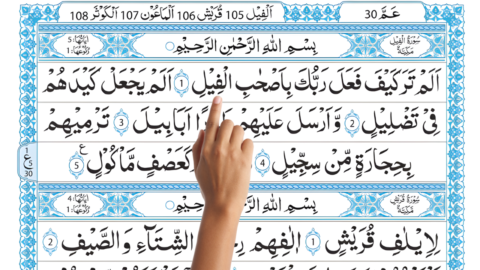
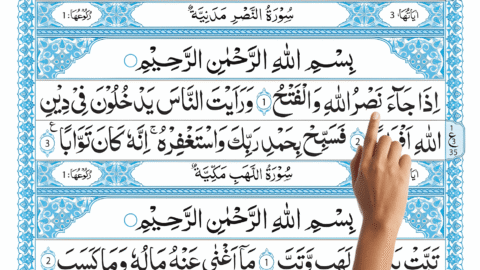
Watch Surah Al-Ikhlas Word by Word (Guided Practice)
How the 1X system works:
- For 1X practice, complete one careful reading pass. Listen, pause and replay individual words as needed; additional practice is optional and should follow your progress.
This method strengthens Tajweed while keeping practice simple and effective.
Why Use the 1X Practice Method?
The 1X method is beneficial because it:
- Reinforces proper Makharij (articulation points)
- Improves Madd (elongation) timing
- Strengthens Shaddah emphasis
- Develops heavy letter clarity
- Builds natural recitation flow
It is especially suitable for beginners and for those revising short Surahs for Salah.
Overview of Surah Al-Ikhlas
Surah Al-Ikhlas consists of 4 verses. It defines the uniqueness and oneness of Allah.
From a Tajweed perspective, it includes:
- Madd elongation
- Shaddah
- Heavy Qāf in “Qul” and heavy Ṣād in “aṣ-ṣamad”
- Qalqalah
- Clear Sukoon transitions
- Strong consonant articulation
Because it combines heavy letters and doubled consonants in a short format, it is ideal for Tajweed refinement.
Verse-by-Verse Tajweed Focus
Verse 1: Qul huwa Allāhu aḥad
Key Tajweed points:
- Heavy Qaf in “Qul”
- Clear Haa in “huwa”
- Shaddah in “Allāh”
- Clear Ḥaa in “aḥad”
Pronounce Qaf with depth and hold Shaddah clearly.
Verse 2: Allāhuṣ-ṣamad
Important elements:
- Shaddah in “Allāh”
- Heavy Ṣād in “ṣamad”
- Proper Sukoon transition
Ṣād must be pronounced with fullness and firmness.
Verse 3: Lam yalid wa lam yūlad
Tajweed highlights:
- Clear Lam articulation
- Madd in “yūlad”
- Balanced stopping on Dal
Maintain two-count elongation.
Verse 4: Wa lam yakun lahu kufuwan aḥad
Key points:
- Clear articulation in “yakun”
- Smooth Sukoon transitions
- No Madd in “kufuwan” during connected recitation. Its Tanween is followed by Hamzah, so apply Izhar when joining “kufuwan aḥad”.
- Clear Ḥaa in “aḥad”
Keep pronunciation steady and avoid rushing.

Tajweed Rules Strengthened in This Surah
Madd (Natural Elongation)
Examples:
- Allāh
- Yūlad
- Kufuwan: short vowels and Tanween, not a Madd example
Stretch long vowels for two counts in basic recitation.
Shaddah (Tashdeed)
Examples:
- Allāh
Hold doubled consonants clearly before continuing.
Heavy Letters (Tafkheem)
- Qaf (ق)
- Ṣād (ص)
Pronounce with depth and fullness.
Qalqalah
Apply slight echo if stopping on letters like Dal (د) in “aḥad.”
Throat Letters
- Ḥaa (ح)
Articulate clearly from the throat.
Common Mistakes in Surah Al-Ikhlas
- Light pronunciation of Qaf
- Weak Shaddah emphasis
- Shortening Madd
- Ignoring heavy Ṣād
- Rushing repeated phrases
For 1X practice, complete one careful reading pass. Listen, pause and replay individual words as needed; additional practice is optional and should follow your progress.
Suggested 4-Day Learning Plan
Day 1: Verse 1 (repeat 1X multiple times)
Day 2: Verse 2
Day 3: Verse 3
Day 4: Verse 4 + Full Surah recitation
Repeat daily until pronunciation becomes confident and smooth.
Spiritual Reflection
Surah Al-Ikhlas declares Allah’s Oneness. Its merit as equivalent to one-third of the Quran is reported in Sahih al-Bukhari 5013; this does not replace reading the rest of the Quran.
When recited correctly:
- It enhances concentration in Salah
- Reinforces Tawheed
- Builds confidence in Quran recitation
Each correctly pronounced letter earns reward.

Frequently Asked Questions (FAQ)
What is the 1X practice method?
For 1X practice, complete one careful reading pass. Listen, pause and replay individual words as needed; additional practice is optional and should follow your progress.
How long should Madd be stretched?
Natural Madd is two counts. Hamzah, an original Sukoon or a stopping Sukoon can change the rule; follow the stated Hafs rule and your teacher’s model.
Is this method suitable for beginners?
Yes, it is ideal for beginners and those refining pronunciation.
Which letters require extra attention?
Qaf and Ṣād require careful heavy articulation, along with Shaddah in “Allāh.”
Can I use this method for other Surahs?
Yes, the 1X method works effectively for all short Surahs.
Conclusion
Learning Surah Al-Ikhlas word by word with Tajweed using the 1X practice method ensures balanced memorization and pronunciation refinement. Instead of overwhelming repetition, this structured system focuses first on clarity and then on fluency.
By applying correct Madd timing, Shaddah emphasis, and heavy letter articulation, learners develop strong Tajweed foundations.
Surah Al-Ikhlas may be short, but mastering it strengthens overall Quran reading skills and deepens spiritual connection.
May Allah make the Qur’an the light of our hearts and grant excellence in recitation.
Continue your practice
For the same Surah, use our 3X memorization practice. Beginners can build the foundations with Qaida Noorania Lesson 1. If you need feedback on a word or rule, contact the teacher.
Arabic text and reading guidance
Check the full Arabic text and verse numbering at Quran.com — Surah 112. Roman transliteration is an aid, not a substitute for the Arabic text or a teacher’s pronunciation. Natural Madd, Madd before Hamzah, and Madd at a stop have different rules; do not give every long vowel two counts.