Learn Surah Al-Fatiha Word by Word with Tajweed | 1X Practice
Surah Al-Fatiha is the heart of the Qur’an. Every Muslim recites it multiple times a day in Salah, yet many struggle to pronounce its words correctly with Tajweed. Learning Surah Al-Fatiha word by word with Tajweed is not only a pronunciation exercise—it is an act of worship, reflection, and spiritual refinement.
How to use this practice guide: 1X means one suggested practice round for you. Use the recording below as a pronunciation model, then pause or replay it to complete your rounds. This is a study plan, not a count of the repetitions inside the recording; the video player may show a different repetition label.
This lesson is designed to help learners read Surah Al-Fatiha accurately, understand each word clearly, and build fluency through 1X guided repetition. Whether you are a beginner, a child, a new Muslim, or someone refining Tajweed skills, this structured approach will strengthen your recitation.
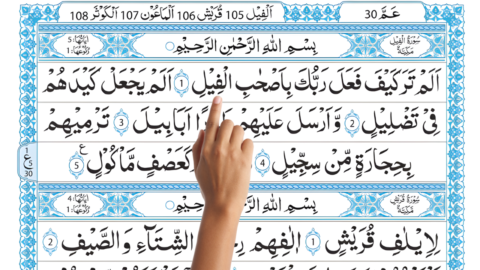
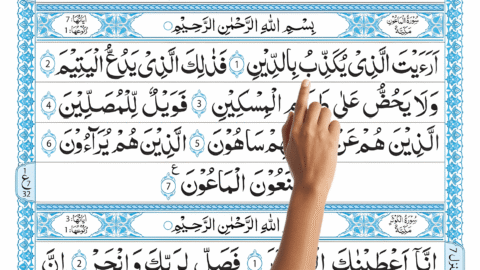
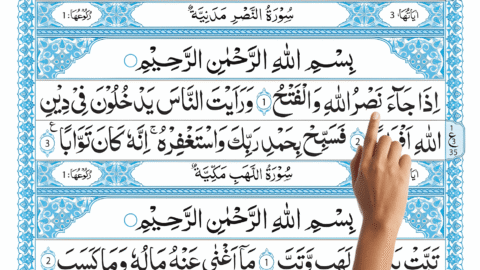
📺 Watch Surah Al-Fatiha Word by Word (Guided Practice)
For 1X practice, complete one careful reading pass. Listen, pause and replay individual words as needed; additional practice is optional and should follow your progress.
Why Learn Surah Al-Fatiha Word by Word?
Many learners try to memorize Surah Al-Fatiha as a complete flow. While that works for memorization, it often hides pronunciation mistakes.
Word-by-word learning helps you:
- Focus on proper Makharij (articulation points)
- Apply Tajweed rules precisely
- Avoid common pronunciation errors
- Build controlled rhythm
- Understand the meaning behind each word
When each word is pronounced correctly, the entire Surah becomes more powerful and beautiful.
The Importance of Surah Al-Fatiha in Islam
Surah Al-Fatiha is:
- The opening chapter of the Qur’an
- Recited in every unit of Salah
- Known as “Umm al-Kitab” (Mother of the Book)
- A supplication, praise, and guidance request in one Surah
Al-Fatihah is central to Salah. Learn its wording and pronunciation carefully with a teacher; some pronunciation changes can alter meaning.
Structure of Surah Al-Fatiha
Surah Al-Fatiha consists of 7 verses. When studied word by word, each verse becomes easier to pronounce and understand.
Let us explore its pronunciation focus areas.
Tajweed Focus in Surah Al-Fatiha
Surah Al-Fatiha contains multiple Tajweed rules, including:
- Madd (elongation)
- Shaddah (doubling)
- Clear Noon and Meem articulation
- Correct stopping and connection
- Proper Makharij of throat letters
- Heavy and light letters
Learning word by word allows you to identify and apply these rules carefully.
Verse-by-Verse Word Analysis
1️⃣ Bismillāh ir-Raḥmān ir-Raḥīm
Key Tajweed Points:
- “Bismillāh” contains Shaddah on the letter Lām.
- “Raḥmān” contains Madd (long vowel extension).
- Heavy vs light Raa rules apply depending on vowel.
Common Mistake:
Shortening the Madd in “Raḥmān.”
Correction:
Stretch the vowel clearly for two counts.
2️⃣ Al-ḥamdu lillāhi Rabbil-‘ālamīn
Key Focus:
- Proper throat articulation of ḥā (ح).
- Clear Shaddah in “Rabb.”
- Madd in “‘ālamīn.”
The letter ‘Ayn (ع) must come from the throat—not from the mouth.
3️⃣ Ar-Raḥmān ir-Raḥīm
Repetition builds perfection. Even though these words appeared earlier, repetition strengthens accuracy.
Focus on:
- Balanced elongation
- Controlled airflow
- Consistent tone
4️⃣ Māliki yawmid-dīn
Important Rules:
- Madd in “Mā.”
- Proper merging of consonants.
- Clear pronunciation of “d-dīn” with Shaddah.
Common Mistake:
Dropping the doubled “d.”
5️⃣ Iyyāka na‘budu wa iyyāka nasta‘īn
This verse contains:
- Strong Shaddah on Yaa.
- Clear ‘Ayn pronunciation.
- Madd in “nasta‘īn.”
Word-by-word study is essential here because this verse includes multiple Tajweed layers.
6️⃣ Ihdinaṣ-ṣirāṭal-mustaqīm
Key Elements:
- Heavy Ṣād sound (ص).
- Madd in “ṣirāṭ.”
- Proper articulation of Qāf in “mustaqīm.”
Heavy letters must be pronounced with fullness.
7️⃣ Ṣirāṭallaḏīna an‘amta ‘alayhim…
This verse includes:
- Clear Madd
- Clear Noon in “an‘amta,” without adding a prolonged nasal sound
- Proper throat articulation
Each word requires careful attention.
Why 1X Practice Method Works
The 1X repetition system is powerful because:
- For 1X practice, complete one careful reading pass. Listen, pause and replay individual words as needed; additional practice is optional and should follow your progress.
- Repetition strengthens muscle memory.
- Learners correct mistakes naturally.
Slow recitation followed by controlled repetition helps build confidence without rushing.

Deep Tajweed Application in Surah Al-Fatiha
Madd (Elongation)
Examples:
- Raḥmān
- Māliki
- ḍāllīn
Natural Madd is two counts. In “aḍ-ḍāllīn” (الضَّالِّينَ), the first Madd is Madd Lāzim Kalimī Muthaqqal and is held for six counts in Ḥafṣ recitation. At verse endings, follow the appropriate stopping rule rather than applying two counts to every Madd.
Shaddah (Doubling)
Examples:
- Rabb
- Iyyāka
Pronounce doubled letters clearly—not quickly.
Noon and Meem Clarity
Al-Fatiha does not contain Noon or Meem with Shaddah. Pronounce the Noon in “an‘amta” clearly before ‘Ayn; do not add a two-count Ghunnah there.
Keep the natural sound of Noon and Meem without adding an extra nasal hold.
Heavy vs Light Letters
Heavy letters in Surah Al-Fatiha:
- Ṣād (ص), with its heavy quality
- Ṭā (ط)
- Qāf (ق), with its heavy quality
These letters must not sound thin.
Common Mistakes in Surah Al-Fatiha
- Rushing Madd sounds
- Weak articulation of ‘Ayn
- Ignoring Shaddah
- Lightening heavy letters
- Adding extra vowel sounds
Word-by-word practice corrects these errors gradually.
How to Practice Effectively
Daily Routine:
Day 1–2: Focus on first 3 verses
Day 3–4: Practice verses 4–5
Day 5–6: Practice verses 6–7
Day 7: Full Surah repetition
Practice in front of a mirror to monitor mouth movement.
Spiritual Reflection
Surah Al-Fatiha is a conversation between the servant and Allah. When recited correctly:
- Praise becomes sincere.
- Supplication becomes meaningful.
- Worship becomes complete.
Every properly pronounced letter brings reward.
Benefits of Learning Surah Al-Fatiha with Tajweed
- Improves Salah quality
- Strengthens confidence
- Builds Tajweed foundation
- Prepares for longer Surahs
- Develops rhythmic recitation
Who Should Learn This Way?
- Beginners in Quran reading
- Children learning Tajweed
- New Muslims
- Adults correcting pronunciation
- Anyone improving Salah recitation

Frequently Asked Questions
1. Why learn Surah Al-Fatiha word by word?
Because it prevents hidden pronunciation mistakes and strengthens Tajweed accuracy.
2. Is 1X repetition enough?
Yes, for fluency building. More repetition improves mastery.
3. How long does mastery take?
Progress depends on reading ability, practice and feedback. Review regularly and ask a qualified teacher to check your recitation; there is no guaranteed completion time.
4. Can children follow this method?
Yes. Slow repetition makes it beginner-friendly.
5. What comes after Surah Al-Fatiha?
Continue with short Surahs using the same word-by-word method.
Conclusion
Learning Surah Al-Fatiha word by word with Tajweed transforms your recitation. It replaces guesswork with clarity, hesitation with confidence, and speed with precision.
Through structured explanation and 1X guided practice, learners can:
- Master pronunciation
- Apply Tajweed rules correctly
- Improve fluency
- Deepen spiritual connection
May Allah beautify your recitation and grant you excellence in understanding His words.
Continue your practice
For the same Surah, use our 3X memorization practice. Beginners can build the foundations with Qaida Noorania Lesson 1. If you need feedback on a word or rule, contact the teacher.
Arabic text and reading guidance
Check the full Arabic text and verse numbering at Quran.com — Surah 1. Roman transliteration is an aid, not a substitute for the Arabic text or a teacher’s pronunciation. Natural Madd, Madd before Hamzah, and Madd at a stop have different rules; do not give every long vowel two counts.