
Learn Surah Al-Maun Word by Word with Tajweed | 1X Practice
Surah Al-Maun is a short yet powerful chapter of the Qur’an that teaches sincerity, compassion, and accountability. Though it contains only seven verses, it includes important Tajweed rules that help learners refine pronunciation and fluency.
How to use this practice guide: 1X means one suggested practice round for you. Use the recording below as a pronunciation model, then pause or replay it to complete your rounds. This is a study plan, not a count of the repetitions inside the recording; the video player may show a different repetition label.
Learning Surah Al-Maun word by word with Tajweed ensures that each letter is pronounced correctly, every Madd is stretched properly, and each Shaddah is articulated clearly. Through the 1X practice method, learners first focus on accuracy and then build rhythm through guided repetition.
This structured approach is ideal for beginners, children, new Muslims, and anyone improving Quran recitation.
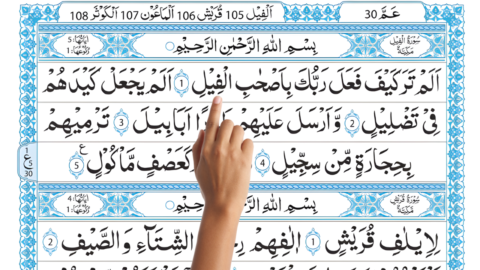
📺 Watch Surah Al-Maun Word by Word (Guided Practice)
For 1X practice, complete one careful reading pass. Listen, pause and replay individual words as needed; additional practice is optional and should follow your progress.
Why Learn Surah Al-Maun Word by Word?
Many people memorize Surah Al-Maun early in life, but pronunciation mistakes often remain unnoticed. Word-by-word learning helps to:
- Correct Makharij (articulation points)
- Apply Madd accurately
- Pronounce Shaddah properly
- Maintain heavy and light letter distinction
- Improve confidence in Salah
Small Surahs are the foundation of daily prayer, so precision matters.
Overview of Surah Al-Maun
Surah Al-Maun consists of 7 verses. It warns against hypocrisy, neglect of prayer, and lack of care for the needy.
Despite its short length, it contains:
- Consonant clarity and correct stopping
- Madd elongations
- Clear Shaddah
- Throat letters
- Sukoon transitions
- Heavy letter articulation
This makes it excellent for Tajweed practice.
Verse-by-Verse Word Analysis with Tajweed
1️⃣ Ara’ayta alladhī yukadhdhibu bid-dīn
Tajweed Focus:
- “Ara’ayta” – Clear hamzah articulation.
- “Alladhī” – Shaddah on Lam.
- “Yukadhdhibu” – Strong Shaddah on Dhaal.
- “Bid-dīn” – Shaddah on Daal + Madd in “dīn.”
Common Mistake:
Rushing Shaddah in “yukadhdhibu.”
Correction:
Double the consonant clearly before moving forward.
2️⃣ Fadhālika alladhī yaduʿʿu al-yatīm
Important Points:
- “Fadhālika” – Madd on Alif.
- “‘Yaduʿʿu” – Clear ‘Ayn from throat.
- “Al-yatīm” – Madd in “tīm.”
Stretch Madd for two counts.
3️⃣ Wa lā yaḥuḍḍu ‘alā ṭa‘āmi al-miskīn
Key Rules:
- Madd in “lā.”
- Shaddah in “yaḥuḍḍu.”
- Heavy Ṭā in “ṭa‘ām.”
- Madd in “miskīn.”
The letter Ḍād in “yaḥuḍḍu” must be full and clear.
4️⃣ Fa-waylun lil-muṣallīn
Focus Areas:
- Madd in “wayl.”
- Heavy Ṣād in “muṣallīn.”
- Shaddah in “muṣallīn.”
Ṣād must not sound like Seen.
5️⃣ Alladhīna hum ‘an ṣalātihim sāhūn
Important Rules:
- Madd in “ṣalātihim.”
- Heavy Ṣād.
- Madd in “sāhūn.”
Maintain balance between elongation and clarity.
6️⃣ Alladhīna hum yurā’ūn
Tajweed Highlights:
- Shaddah in “Alladhīna.”
- Madd in “yurā’ūn.”
- Proper hamzah articulation.
7️⃣ Wa yamna‘ūna al-mā‘ūn
Key Focus:
- Clear ‘Ayn in “yamna‘ūna.”
- Madd in “mā‘ūn.”
- Proper Sukoon transitions.
This final verse combines Madd and throat articulation.

Tajweed Rules in Surah Al-Maun
Madd (Elongation)
Examples:
- Lā
- Dīn
- Yatīm
- Miskīn
- Sāhūn
- Mā‘ūn
Basic duration: 2 counts.
Shaddah (Doubling)
Examples:
- Yukadhdhibu
- Muṣallīn
- Alladhīna
Double the consonant clearly.
Heavy Letters (Tafkheem)
- Ṣād (ص)
- Ṭā (ط)
- Ḍād (ض)
Pronounce with fullness.
Consonant clarity and correct stopping
Only the letters ق ط ب ج د have Qalqalah when sakin. This is not a general instruction to bounce every stopped letter.
Throat Letters
- ‘Ayn (ع)
- Ḥaa (ح)
Must originate from throat.
Why the 1X Practice Method Works
The 1X repetition system improves recitation because:
- For 1X practice, complete one careful reading pass. Listen, pause and replay individual words as needed; additional practice is optional and should follow your progress.
- Builds muscle memory
- Improves rhythm naturally
- Increases confidence
Repetition strengthens both listening and articulation skills.
Common Mistakes in Surah Al-Maun
- Weak Shaddah pronunciation
- Shortening Madd
- Light pronunciation of heavy letters
- Weak ‘Ayn articulation
- Rushing transitions
Word-by-word practice fixes these gradually.
Suggested 7-Day Practice Plan
Day 1–2: Verses 1–2
Day 3–4: Verses 3–4
Day 5–6: Verses 5–6
Day 7: Full Surah 1X repetition
Consistency builds fluency.
Spiritual Reflection
Surah Al-Maun reminds us that worship without sincerity and compassion is incomplete. It connects prayer with social responsibility.
Reciting it correctly deepens:
- Awareness
- Sincerity
- Reflection
- Gratitude
Each properly pronounced word is an act of devotion.
Benefits of Learning Surah Al-Maun with Tajweed
- Strengthens Shaddah control
- Improves Madd timing
- Develops heavy letter clarity
- Enhances Salah recitation
- Builds Tajweed foundation
- Increases fluency

Frequently Asked Questions
1. Why learn Surah Al-Maun word by word?
It prevents hidden Tajweed mistakes and strengthens pronunciation.
2. How long should Madd be?
Natural Madd is two counts. Hamzah, an original Sukoon or a stopping Sukoon can change the rule; follow the stated Hafs rule and your teacher’s model.
3. Is Surah Al-Maun suitable for beginners?
Yes, it is short and ideal for Tajweed practice.
4. What is the most difficult word?
“Yukadhdhibu” often requires extra attention due to Shaddah.
5. How often should I practice?
Progress depends on reading ability, practice and feedback. Review regularly and ask a qualified teacher to check your recitation; there is no guaranteed completion time.
Conclusion
Learning Surah Al-Maun word by word with Tajweed transforms simple memorization into precise and meaningful recitation. Instead of rushing through verses, this method trains the tongue to pronounce every letter correctly, apply Madd with proper timing, and articulate Shaddah clearly and confidently.
For 1X practice, complete one careful reading pass. Listen, pause and replay individual words as needed; additional practice is optional and should follow your progress.
Surah Al-Maun is not only a lesson in pronunciation but also a reminder of sincerity, compassion, and accountability. Reciting it correctly enhances both technical skill and spiritual awareness. Each accurately pronounced word becomes an act of devotion and a step closer to excellence in Salah.
With consistent daily practice, learners can:
- Strengthen heavy and light letter distinction
- Improve Madd control
- Master Shaddah pronunciation
- Build fluency in short Surahs
- Increase confidence in Quran recitation
May Allah beautify your recitation, strengthen your understanding, and reward every effort you make in learning His Book.
Continue your practice
For the same Surah, use our 3X memorization practice. Beginners can build the foundations with Qaida Noorania Lesson 1. If you need feedback on a word or rule, contact the teacher.
Arabic text and reading guidance
Check the full Arabic text and verse numbering at Quran.com — Surah 107. Roman transliteration is an aid, not a substitute for the Arabic text or a teacher’s pronunciation. Natural Madd, Madd before Hamzah, and Madd at a stop have different rules; do not give every long vowel two counts.
Connected-reading details
In يُرَاءُونَ, the long ā before Hamzah is Madd Muttasil, normally four or five counts in Hafs via al-Shatibiyyah. The ay sound in وَيْلٌ is Leen, not natural Madd during connected reading. In يَدُعُّ, ʿAyn is doubled; do not drop that doubling. Apply Idgham without Ghunnah when joining وَيْلٌ لِلْمُصَلِّينَ.



Want to land this?Yeah, because my my office are every time set to practise.So I want to practise
Jazakallahu Khairan!